Carnival in Brazil

Isabel Henriques
December 2025
February in Brazil is usually marked by Carnival, one of the most famous events in my beloved country. Images of colourful costumes and street parades are recognised almost all over the world. You may have heard some samba or even travelled to Brazil during Carnival and experienced this fervent celebration yourself, which lasts for days across the entire country. However, very few people truly understand what Carnival actually is: why does it happen? When did it begin? How does an entire country stop for a week to dance and drink? Even I, who grew up in Brazil, did not know the answers to these questions until adulthood. In fact, many Brazilians grow old without ever knowing why they spend one week a year wearing funny costumes and jumping to loud music. For this reason, in this article I will explain a little about the origins, meaning and experience of Carnival in Brazil.
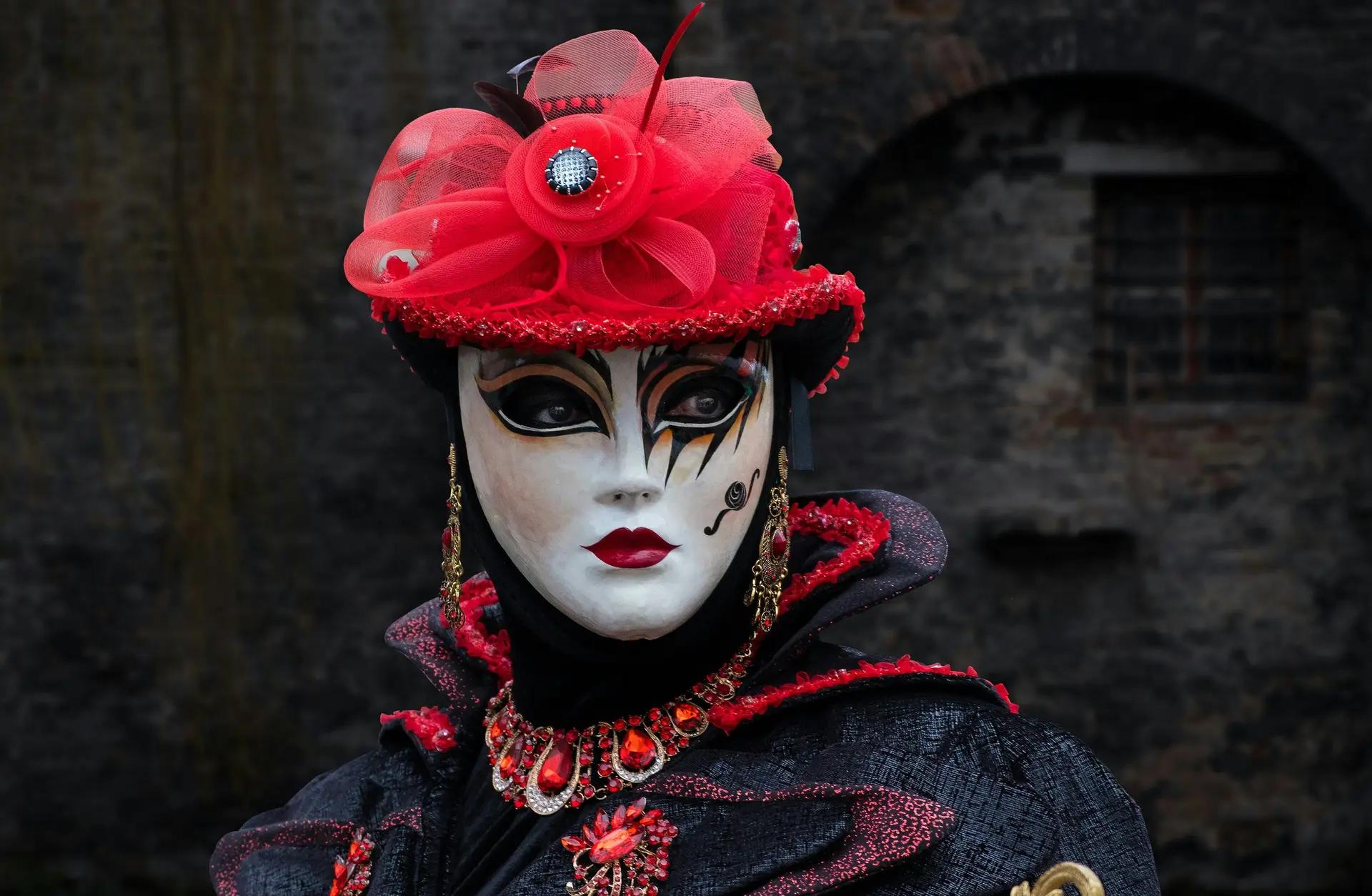
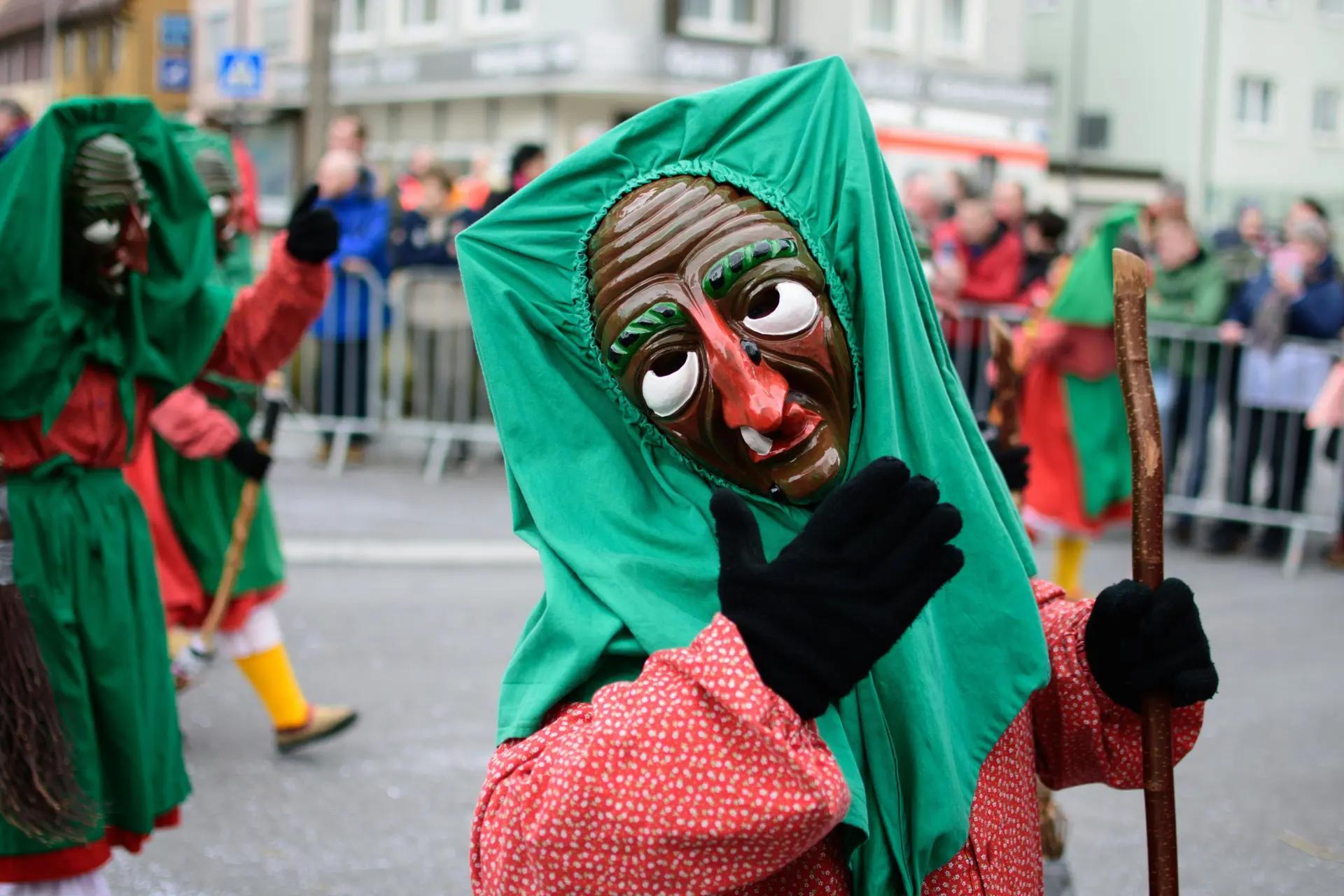
The word “Carnival” originates from Latin. “Carne vale” means “farewell to meat.” Carnival emerged as a celebration that took place three or four days before a period of religious abstinence from meat and sex, which Catholics call “Quaresma” in Portuguese or “Lent” in English. During this time, people organised large feasts and banquets as a form of consolation before the upcoming period of abstinence. Versions of this event date back to Babylonian times and were often associated with celebrating the end of winter in the Northern Hemisphere. This is why many European countries have their own versions of Carnival, the most famous being the Venetian Carnival, from which much of the modern aesthetic of this event is derived.
Carnival was brought to Brazil by Portuguese colonisers under the name “Entrudo,” meaning an “entry” into the period of Lent. Like everything introduced to Brazil, Carnival blended with various cultural traditions of the peoples who inhabited the land, including Indigenous peoples and descendants of Africans brought as enslaved people. The latter group contributed the most iconic element of Brazilian Carnival: samba music and dance. Although Carnival looks and sounds different depending on the region of Brazil, the most internationally recognised version takes place in Rio de Janeiro. In Rio, Carnival centres around the samba school competition, with each school representing a different neighbourhood of the city. These schools spend the entire year composing music, decorating floats and choreographing dances, which are then showcased in a spectacular parade along Avenida Marquês de Sapucaí.
One question still remains: why do Brazilians take an entire week off each year to celebrate, even though most of them do not abstain from meat and sex during Lent?
The answer is simple. We love music, dance and parties. They free us, and we take every opportunity to enjoy them, at any time.
Felipe Fukase
Jan 30, 2024
Share this post
Isabel Henriques
December 2025